
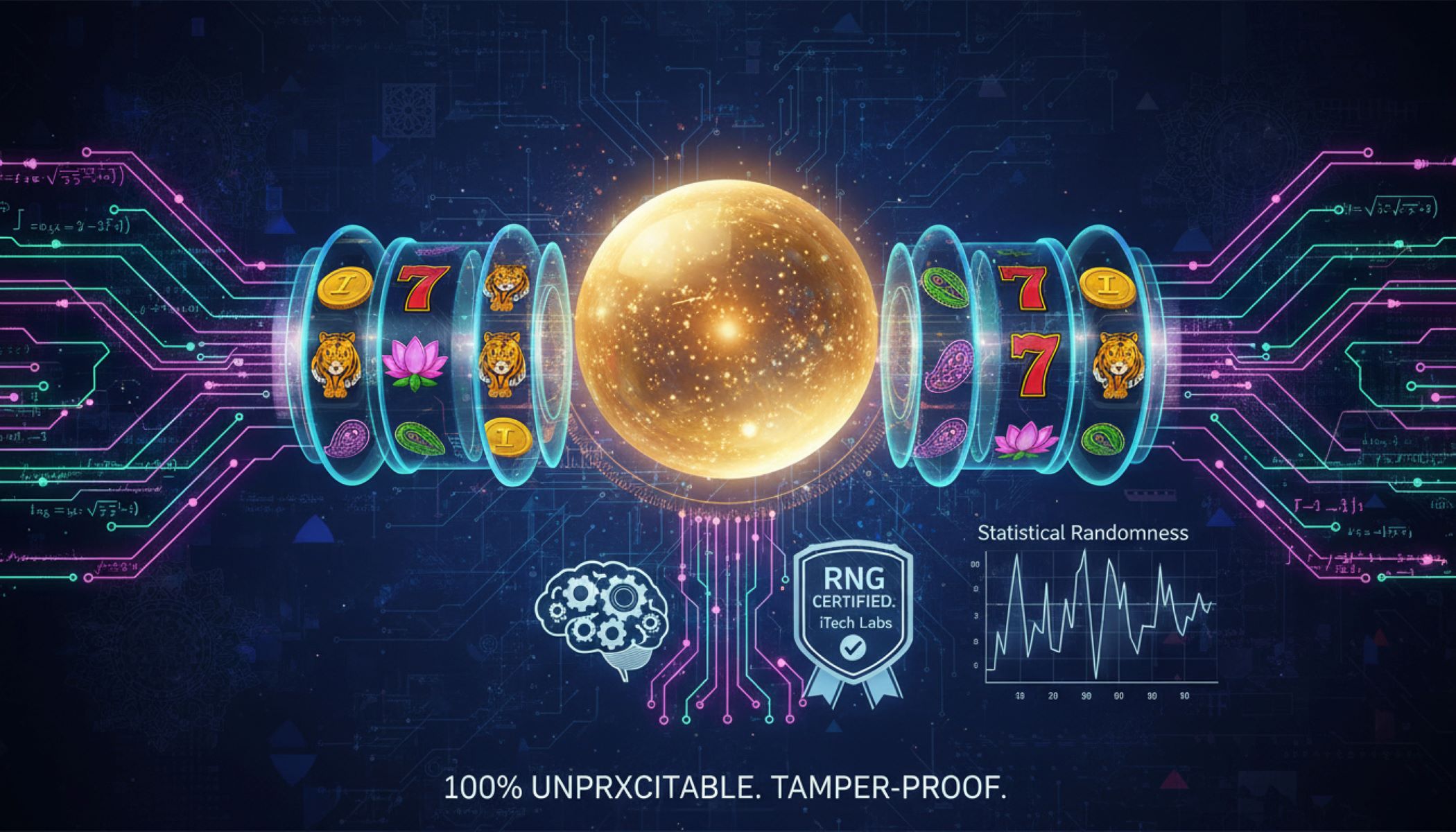
Understanding RNG fairness in slot machines
Random Number Generators (RNGs) serve as the cornerstone of fairness in slot machine gaming, ensuring that every spin produces genuinely random outcomes that cannot be predicted or manipulated. In the context of Indian gaming, understanding RNG fairness becomes particularly crucial as it directly impacts player trust and regulatory compliance across tribal gaming establishments throughout the country.
The Indian Gaming Regulatory Act establishes specific frameworks for RNG implementation and oversight, with the National Indian Gaming Commission playing a vital role in ensuring that slot machines operate with complete transparency and fairness. This regulatory foundation protects players while maintaining the integrity of gaming operations across Indian territories.
Introduction to RNGs in Slot Games
Random Number Generators are sophisticated computer algorithms designed to produce sequences of numbers that lack any discernible pattern or predictability. In slot machines, these systems continuously generate thousands of random numbers per second, with each number corresponding to specific symbol combinations on the reels. When a player initiates a spin, the RNG selects the most recent number in its sequence, determining the outcome instantaneously.
Fairness in slot gaming is fundamentally dependent on proper RNG implementation, as these systems ensure that every player has an equal opportunity to win regardless of previous outcomes or timing of play. The randomness provided by certified RNGs eliminates any possibility of patterns or cycles that could be exploited, creating a level playing field for all participants.
Modern RNG systems undergo rigorous testing and certification processes to verify their randomness and reliability. Independent testing laboratories analyze millions of number sequences to confirm that the generators meet strict statistical standards for unpredictability and uniform distribution across all possible outcomes.
Core Components of RNG Technology
The technical foundation of RNG systems relies on complex mathematical algorithms that utilize seed values and entropy sources to generate truly random sequences. These components work together to ensure that each number produced is completely independent of previous results, maintaining the essential unpredictability that defines fair gaming.
Regulatory Framework for RNGs in Indian Gaming
The Indian Gaming Regulatory Act of 1988 establishes comprehensive oversight mechanisms for gaming operations on tribal lands, with specific provisions addressing the technical standards and fairness requirements for electronic gaming devices. Under this federal framework, tribal gaming commissions work in coordination with the National Indian Gaming Commission to ensure that all slot machines meet stringent RNG standards before deployment.
The National Indian Gaming Commission maintains primary responsibility for overseeing Class II gaming operations, which include electronic bingo and pull-tab games that utilize RNG technology. This oversight extends to the certification of gaming equipment, regular auditing of RNG systems, and enforcement of technical standards that protect player interests while preserving tribal sovereignty in gaming operations.
| Category | Description | Regulatory Body |
|---|---|---|
| Technical Standards | RNG algorithms must pass statistical randomness tests | National Indian Gaming Commission |
| Equipment Certification | All gaming devices require pre-deployment approval | Tribal Gaming Commissions |
| Ongoing Audits | Regular testing of RNG performance and fairness | Independent Testing Labs |
| Compliance Monitoring | Continuous oversight of gaming operations | NIGC Field Offices |
Class II vs. Class III Gaming Regulations
Class II gaming encompasses electronic versions of bingo and pull-tab games, which utilize RNG systems to simulate traditional paper-based games while maintaining the essential characteristics of these formats. These games require NIGC approval and must demonstrate that their RNG systems produce outcomes equivalent to physical game components.
Class III gaming includes traditional casino-style slot machines that rely entirely on RNG technology for outcome determination, requiring tribal-state compacts that establish specific technical standards and oversight procedures. The RNG requirements for Class III games typically involve more stringent testing protocols and ongoing monitoring to ensure complete fairness and regulatory compliance.
Tribal Sovereignty and RNG Oversight
Tribal gaming commissions maintain significant authority over RNG standards within their jurisdictions, working collaboratively with federal oversight bodies to establish comprehensive regulatory frameworks. This dual oversight structure ensures that RNG fairness standards meet both federal requirements and tribal gaming objectives, creating robust protection for players while respecting tribal sovereignty.
How RNGs Work and Their Importance
The fundamental operation of RNG systems in slot machines involves continuous generation of random number sequences that determine game outcomes through precise mathematical calculations. These systems operate independently of player actions, previous results, or external factors, ensuring that every spin represents a completely fresh opportunity with predetermined odds.
Understanding the critical importance of RNGs extends beyond technical functionality to encompass player protection, regulatory compliance, and industry integrity. Properly implemented RNG systems eliminate the possibility of manipulation or bias, creating transparent gaming environments where outcomes depend solely on mathematical probability rather than external influences.
- Seed Generation: The RNG system initializes with a unique seed value derived from unpredictable sources such as system clock microseconds or environmental noise, establishing the starting point for random number generation.
- Algorithm Processing: Complex mathematical algorithms process the seed value through multiple iterations, applying cryptographic functions and statistical transformations to produce sequences of numbers that exhibit true randomness.
- Outcome Mapping: Generated random numbers are mapped to specific reel positions and symbol combinations according to the game’s paytable, determining the visual result displayed to players while maintaining predetermined return-to-player percentages.
- Continuous Operation: RNG systems operate continuously, generating thousands of numbers per second even when games are not being played, ensuring that the timing of player actions cannot influence outcomes.
- Verification Testing: Independent testing laboratories regularly analyze RNG output using sophisticated statistical tests to verify randomness, uniformity, and compliance with regulatory standards.
Statistical Validation and Fairness Metrics
RNG systems undergo comprehensive statistical analysis to verify their adherence to mathematical principles of randomness and fairness. These evaluations examine distribution patterns, correlation coefficients, and sequence analysis to ensure that generated outcomes meet strict standards for unpredictability and uniform probability distribution across all possible results.
Common Misconceptions About RNGs
Many players harbor misconceptions about RNG manipulation, believing that casinos can alter outcomes during gameplay or that certain times of day produce better results. These myths stem from a fundamental misunderstanding of how certified RNG systems operate, as these technologies are specifically designed to prevent any form of external interference or pattern-based outcomes.
Independent auditing organizations play a crucial role in dispelling these misconceptions by conducting regular assessments of RNG systems and publishing detailed reports on their findings. These audits verify that RNG systems operate according to their certified specifications, with no capability for real-time manipulation or bias introduction by gaming operators.
The Role of Independent Testing
Certified testing laboratories such as Gaming Laboratories International and BMM Testlabs conduct exhaustive evaluations of RNG systems, analyzing millions of game outcomes to verify statistical compliance and operational integrity. These independent assessments provide objective verification that RNG systems perform as designed, offering players confidence in the fairness and reliability of slot machine outcomes.
Ensuring RNG Fairness in Unlicensed Casinos
Unlicensed online casinos present significant risks to players due to the absence of regulatory oversight and independent verification of their RNG systems. Without proper licensing and regulatory supervision, these operations may utilize flawed or manipulated RNG implementations that compromise fairness and player protection.
Players must exercise extreme caution when considering unlicensed gaming options, as these platforms lack the regulatory safeguards and independent auditing that ensure RNG fairness in legitimate gaming environments. The absence of oversight creates opportunities for fraudulent practices that can significantly disadvantage players.
- Verify Licensing: Always confirm that online casinos hold valid licenses from recognized regulatory authorities before creating accounts or making deposits, as licensed operators are required to use certified RNG systems.
- Research Testing Certifications: Look for evidence of independent RNG testing and certification from reputable laboratories, which should be prominently displayed on legitimate casino websites.
- Check Audit Reports: Legitimate casinos regularly publish RNG audit reports and fairness certifications from independent testing organizations, providing transparency about their game integrity.
- Avoid Suspicious Patterns: Be wary of casinos that produce unusual winning patterns or outcomes that seem inconsistent with normal probability distributions, as these may indicate flawed RNG implementations.
- Stick to Regulated Markets: Choose gaming options within regulated jurisdictions where RNG standards are enforced and monitored by government agencies or tribal gaming commissions.
Red Flags and Warning Signs
Players should be alert to warning signs that may indicate problematic RNG implementations, including unusually long losing streaks that exceed statistical expectations, winning patterns that appear artificial or manufactured, and the absence of clear information about RNG testing and certification. These indicators often suggest that RNG systems may not be operating fairly or may lack proper regulatory oversight.